Practise based research
This post presents an overview of the practical research I carried out during the term through different animation exercises such as walk cycles, mood variation in animation, CGI modelling, lip sync animation, and animation tests. Practice-based research involves gaining knowledge through experimentation and making, which allowed me to understand animation principles by applying them directly in my work.
Throughout the term, I focused on improving several fundamental skills including form, colour, anatomy, gesture drawing, and perspective. Understanding these elements helped me think about animation in a three-dimensional space, even when working in 2D. These skills are important because they help add depth, structure, and dynamism to animated characters and environments.
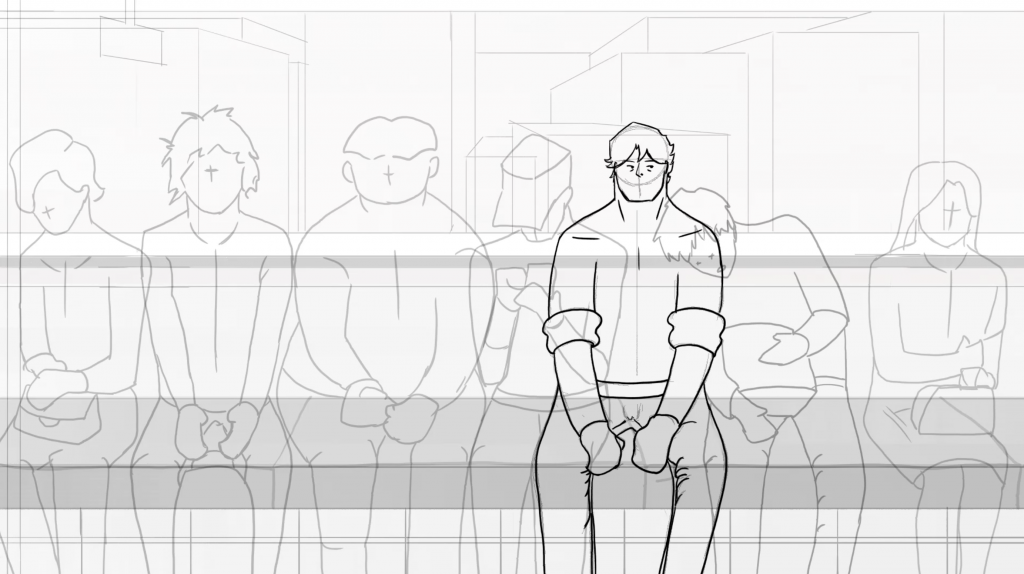

Walk Cycle Experiments and Timing Research
One of the most challenging areas for me was 2D animation, particularly understanding how timing and key poses work together to make animation feel lively. To improve this, I started practising with simple animation exercises, beginning with a bouncing ball character test. This helped me understand the concept of spacing and timing (Clip 1).
Clip 1
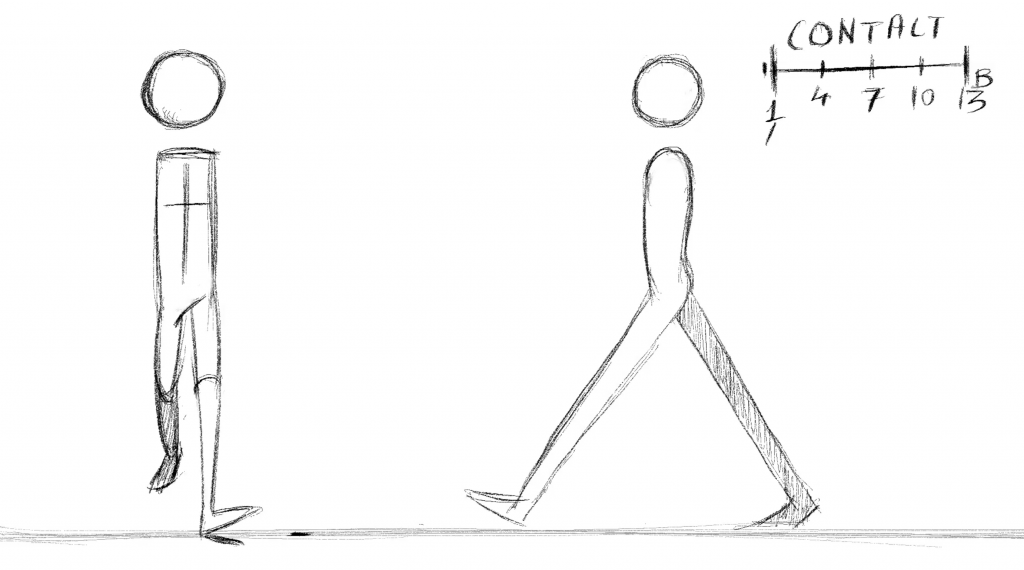
After this exercise, I moved on to creating a walk cycle animation. Initially, I worked with very rough drawings and basic shapes without animating the arms, which allowed me to focus on the movement of the legs first. I began by placing the contact poses, followed by the passing poses, and then the in-between frames while animating at 24 frames per second. The rough animation showing these poses is demonstrated in Clip 2, while the final version with arms added can also be seen in the same clip.
Clip 2
During this process, I experimented with the up and down poses in the walk cycle. At first, I mistakenly placed the down pose after the passing pose, which made the animation feel slightly jerky. After adjusting the order to follow the correct movement arc contact, down, passing, then up the walk cycle became smoother and more natural. Through this experiment, I realised how small adjustments in timing and pose placement can significantly change the character’s movement.
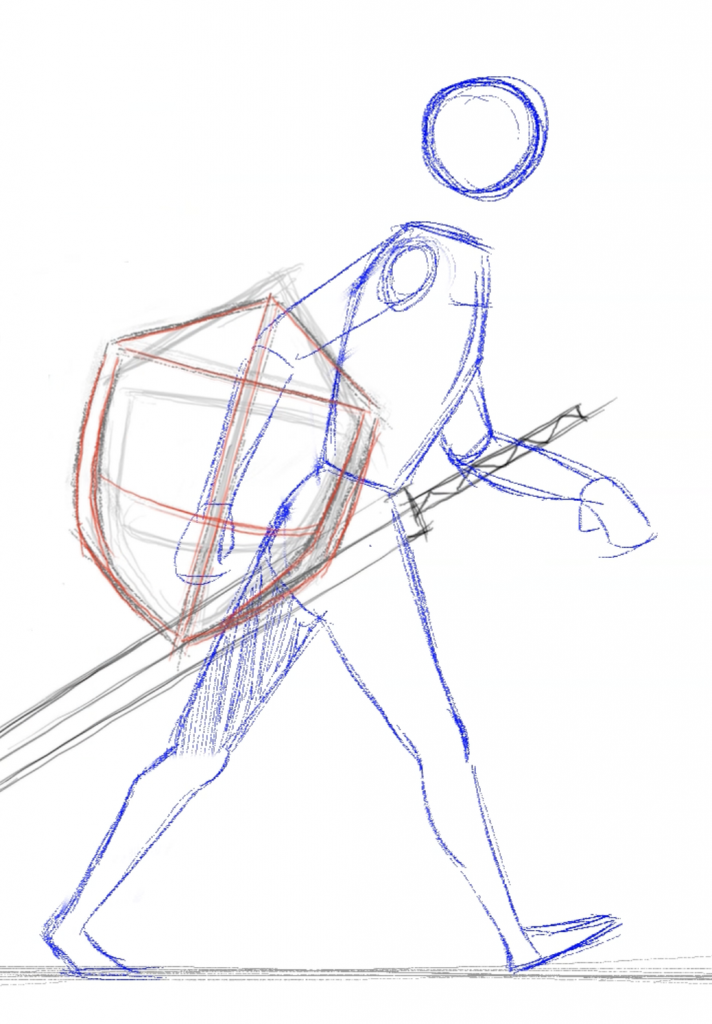
I also explored mood changes in walk cycles, where I modified the basic walk to create a different emotional tone. For example, I created a walk cycle for a warrior character who becomes alert after being hit by an arrow. By adjusting the posture and timing of the poses, the walk appeared more tense and cautious. This exercise showed how the same walk structure can be manipulated to create different character emotions.
CGI Experiments and 3D Modelling
Alongside 2D animation, I also explored CGI techniques, particularly 3D modelling and rigging. In the early stages of the course, we created simple characters and environments in Autodesk Maya using basic shapes to understand the software (Clip 3). This first exercise focused more on experimentation rather than detailed planning.
Clip 3
Later, we explored facial animation using blend shapes, which helped me understand how facial expressions can be controlled in 3D animation (Clip 4). I also experimented with Grease Pencil in Blender, which allows 2D drawing within a 3D environment (Clip 5).
Clip 4
Clip 5
For the final CGI exercise, I created a character model from scratch and rigged it for animation. Before starting the modelling process, I first created character sketches and design research to understand the character’s appearance and appeal. This planning stage helped make the modelling process clearer and more efficient, as 3D modelling can be very time-consuming if there is no clear design direction.The final rigged 3D character model can be seen in Figure 2 with sketches.
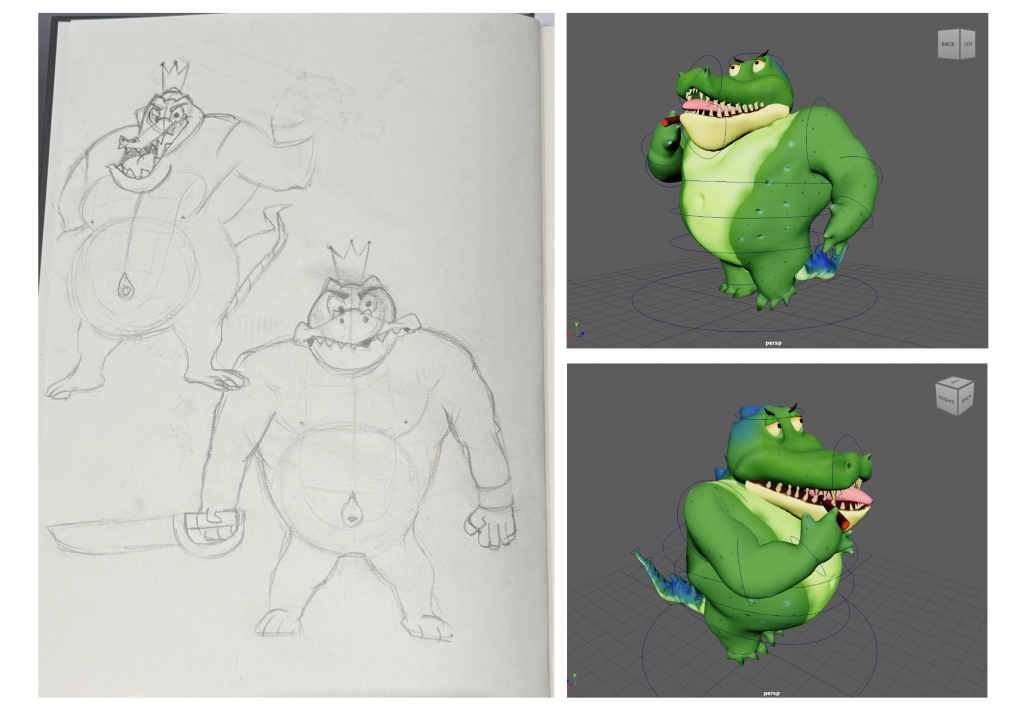
Figure 2
Lip Sync Animation and Acting References
Another important project during the term was a lip sync animation assignment, which I found particularly challenging. Initially, I had an idea for the animation, but when I started animating, some parts of the concept were unclear. As a result, the first version of the animation felt messy and lacked rhythm and humour.
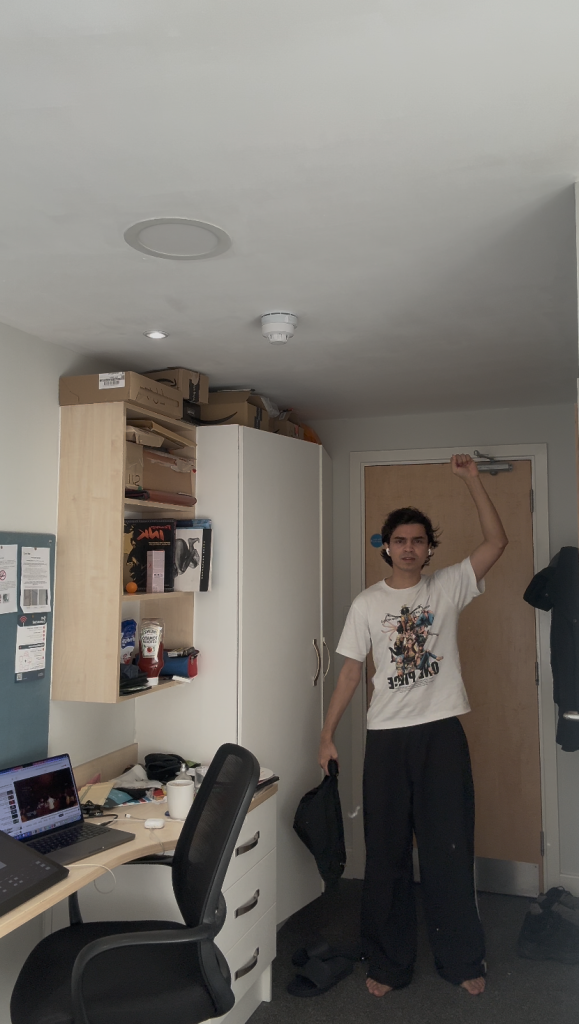
After receiving feedback from my tutors, who suggested that the character movement was not believable, I decided to rethink the concept. I created a short storyboard and script (Figure 3) to clarify the idea and then recorded live-action reference videos to study the character’s acting and timing (Clip 6).
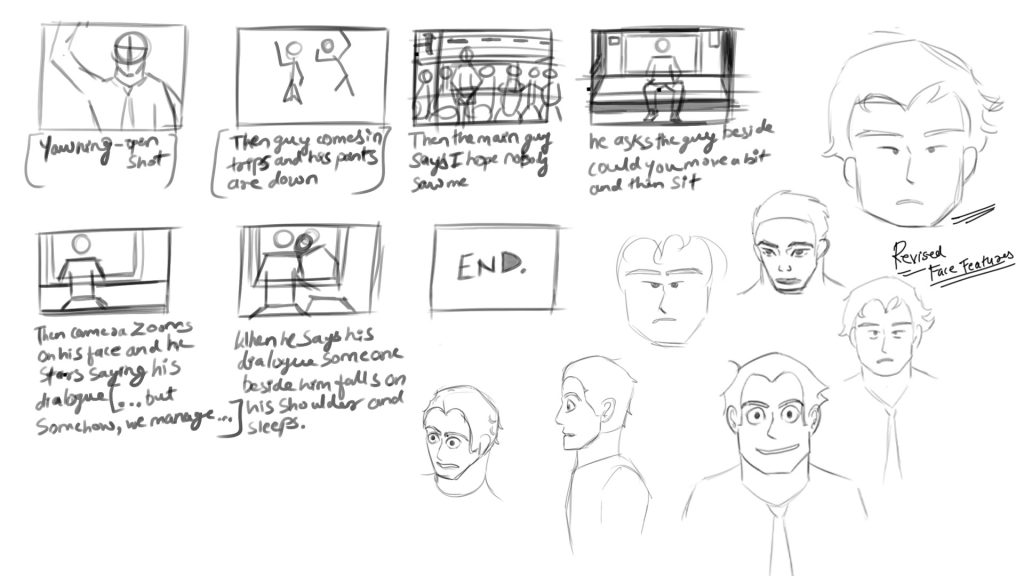
Figure 3
Clip 6
Using these references helped me better understand character performance and facial expressions. I also simplified the character design by reducing unnecessary details in the facial features so that the animation could be clearer and easier to animate within the available time. The earlier version of the animation, which had heavier facial details, can be seen in Clip 7.
Clip 7
Reflection on Practice-Based Research
Overall, these exercises helped me understand how practice-based research plays an important role in animation learning. By experimenting with animation tests, modelling, and acting references, I was able to better understand the relationship between timing, spacing, character movement, and storytelling.
Although some assignments were challenging, especially in the early stages, the process of experimenting, receiving feedback, and refining my work helped me develop a clearer understanding of the animation process.