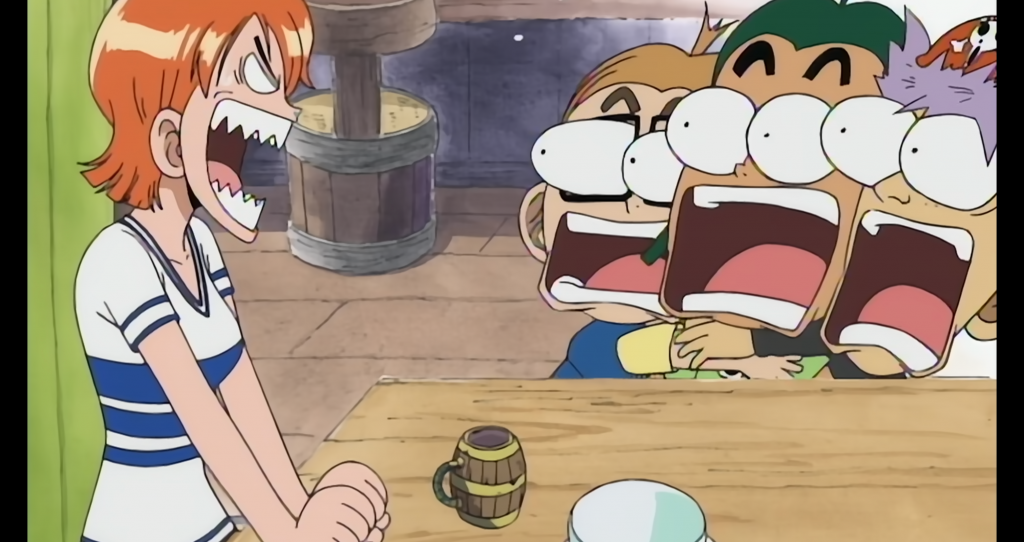
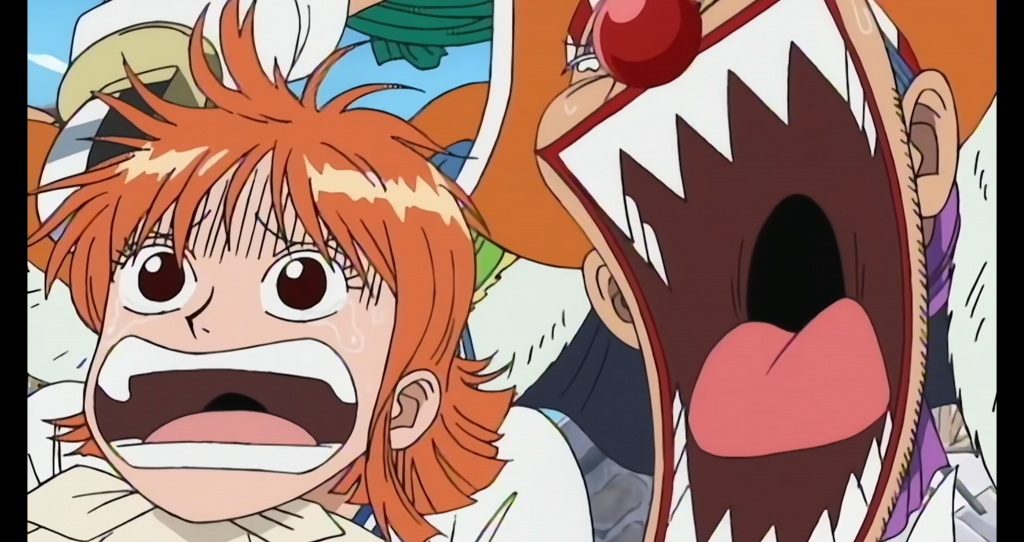
The way animation principles are used in One Piece is quite impressive, especially in the early episodes where the production budget was relatively low. In some of the older scenes, the animation uses fewer frames and occasionally relies on quick cuts instead of fully animating certain movements. For example, some of Luffy’s special attacks are not always animated with the same smooth clarity that we often see in classic Disney 2D animation. However, despite these limitations, the animation still works effectively and communicates the action and humour clearly to the audience.
This works mainly because the animation principles are applied thoughtfully throughout the series. By observing these principles, I realised how complex actions can still be portrayed convincingly. This is especially interesting with the main character Luffy, whose special power allows him to stretch his body like rubber. Animating a character with such exaggerated movement can be challenging in terms of staging and motion, but the animation team manages to make it believable. While watching several scenes, two animation principles stood out the most: squash and stretch and anticipation. I analysed these principles in the following clip.
Even with limited frames and simple motion, the use of animation principles allows complex actions to remain believable and engaging.
Clip Analysis: Luffy’s “Gum Gum Pistol”
Below is the clip analysed in this blog. The timestamps mentioned in the analysis correspond to moments in this video.
Luffy frequently throws punches at enemies, but he has a unique way of delivering them. This attack is called Gum Gum Pistol. The action usually begins with a long build-up where Luffy stretches his arm far behind him before releasing the punch. This preparation phase builds anticipation and increases the excitement for the viewer before the impact occurs.
In the clip, several enemies begin chasing Luffy. At first it appears as if he is running away from them, but this moment actually builds anticipation for what will happen next. Instead of escaping, Luffy grabs onto a pole while continuing to run forward. As he runs, his arm stretches further and further behind him.

Figure 1: Beginning of the anticipation phase.
At 00:04 seconds (see clip above), Luffy begins stretching his arm while still running forward. The anticipation continues to build as the distance between his body and his hand increases.

Figure 2: Maximum stretch demonstrating squash and stretch.
By 00:11 seconds (see clip above), his arm reaches its maximum stretch. Interestingly, he continues running in the same place for a moment, which subtly suggests that the stretch has reached its limit. This small detail also helps communicate that the upcoming punch will be extremely powerful.
Squash and Stretch
When Luffy stretches his arm, the squash and stretch principle is used very effectively. Even though the arm extends to an extreme length, the form does not become unnaturally thin or distorted. The animators maintain the volume of the arm so that it still feels believable despite the exaggerated movement. This careful control of form makes the stretching action convincing and visually clear.
Once Luffy releases the punch, there is a short pause before the impact happens. The timing of the action is interesting because the punch takes several seconds to land. This delay increases the tension and makes the moment more satisfying when the attack finally reaches the enemies.
Staging and Camera Framing
The staging of the shot also plays an important role in making the action effective. At around 00:18 seconds (see clip above), the camera places Luffy far in the background while his stretched arm appears close to the viewer. This composition clearly communicates the distance and force behind the punch.
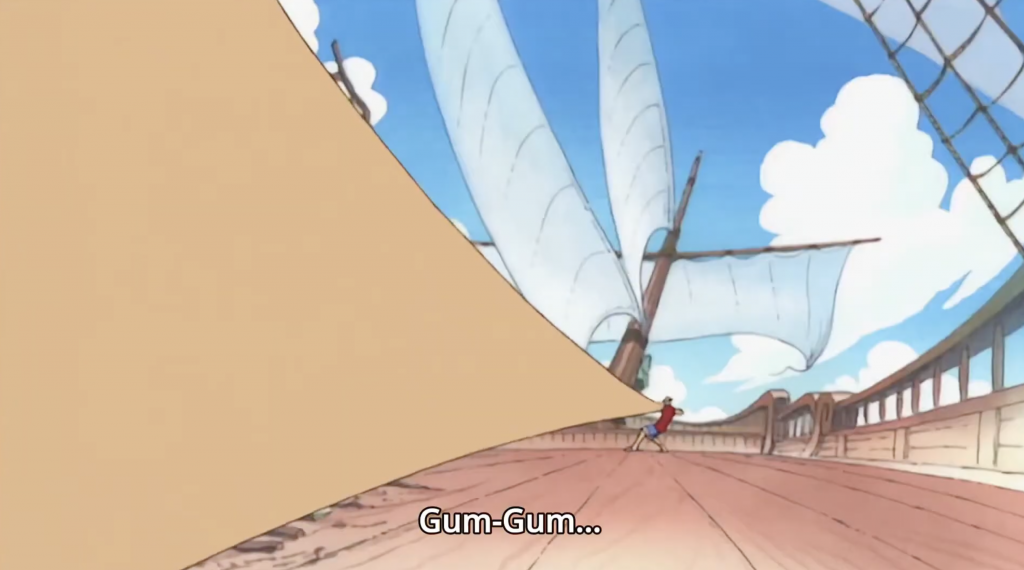
Figure 3: Staging emphasising the distance and scale of the punch.
Camera placement strongly influences how powerful an action appears. By placing the arm closer to the camera, the animators emphasise the scale of the attack and guide the viewer’s focus toward the incoming impact. Good staging helps the audience understand what is happening in the scene without confusion.
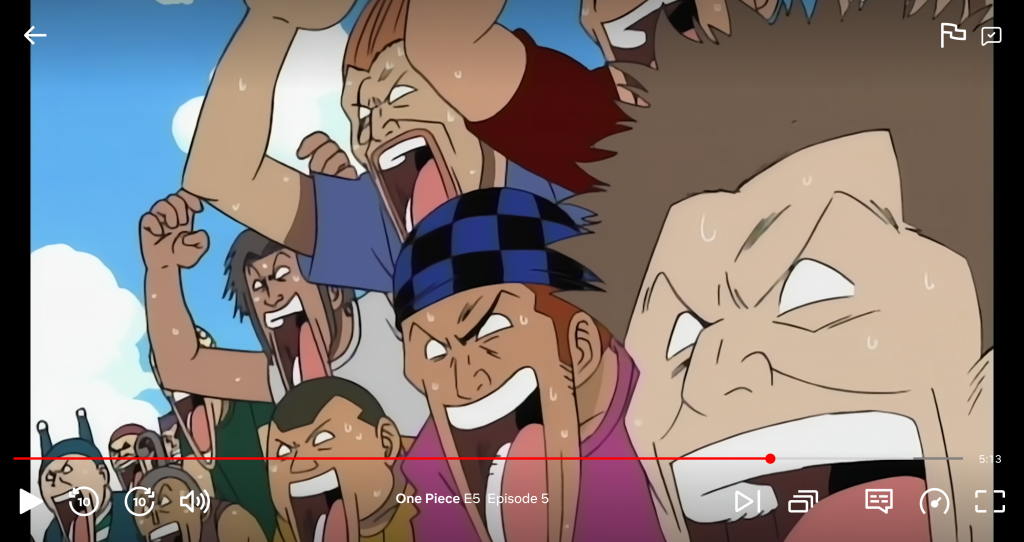
Another example of staging can be seen in a different scene where multiple characters appear together in one frame (see figure 4). Each character is positioned according to their importance, and all of them remain visible within the shot. This arrangement helps show the relationships between the characters and makes the moment feel more engaging for the viewer.
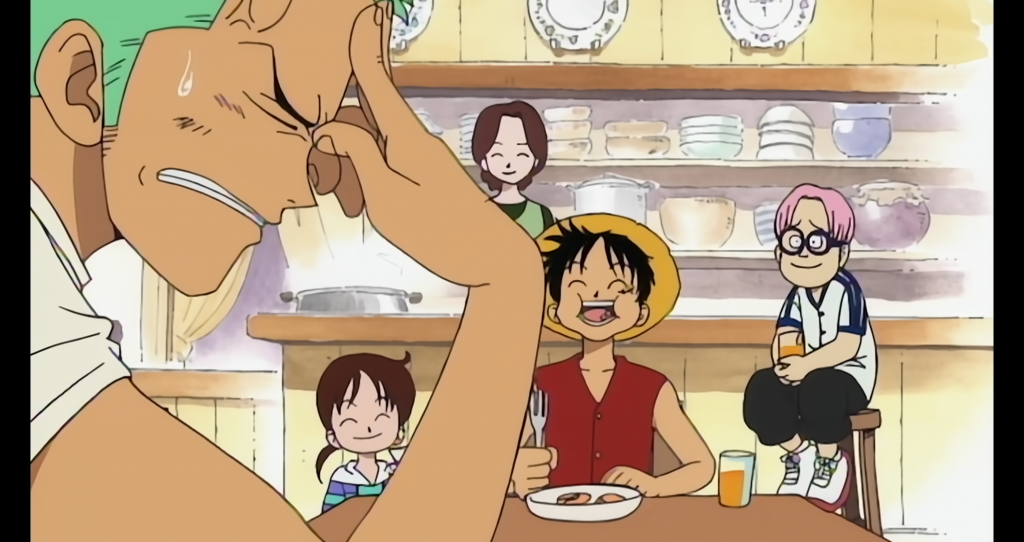
Figure 4
What Could Be Improved
One aspect that raised a question for me occurs when the punch finally lands. At around 00:26 seconds (see clip above), the scene mainly relies on the screen shaking to show the impact of the punch. While this does communicate force, it would have been interesting to see more animated reactions from the enemies themselves.
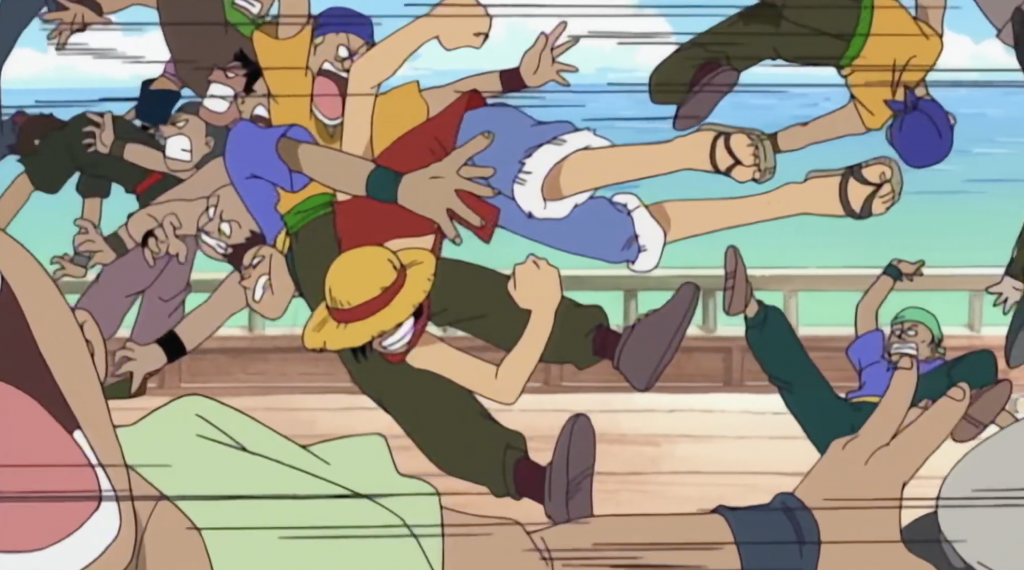
For example, exaggerated facial squash or characters being thrown off the boat could make the impact feel more humorous and visually exciting. Showing the direct effect of the punch on the characters might make the moment even more satisfying for the viewer.
Additional Observation
Another interesting detail in the series is how characters exaggerate their facial expressions when experiencing strong emotions. Their faces often stretch or squash in exaggerated ways, which adds humour and personality to the animation while still following the animation principles. As seen in the attached screenshot.